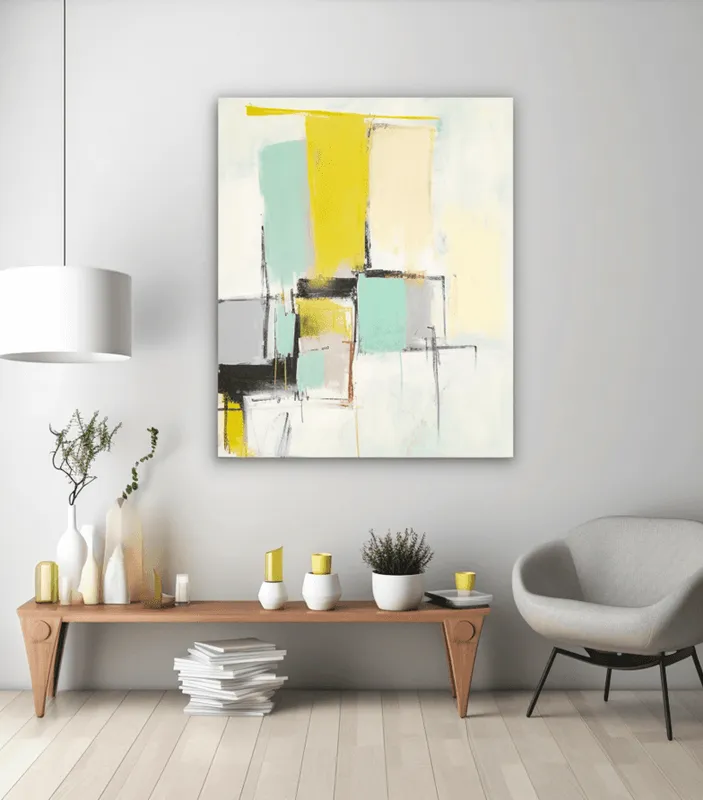
The Home as Sanctuary
After a long day, your home should be the place that restores you. If it is not doing that, something needs to change.
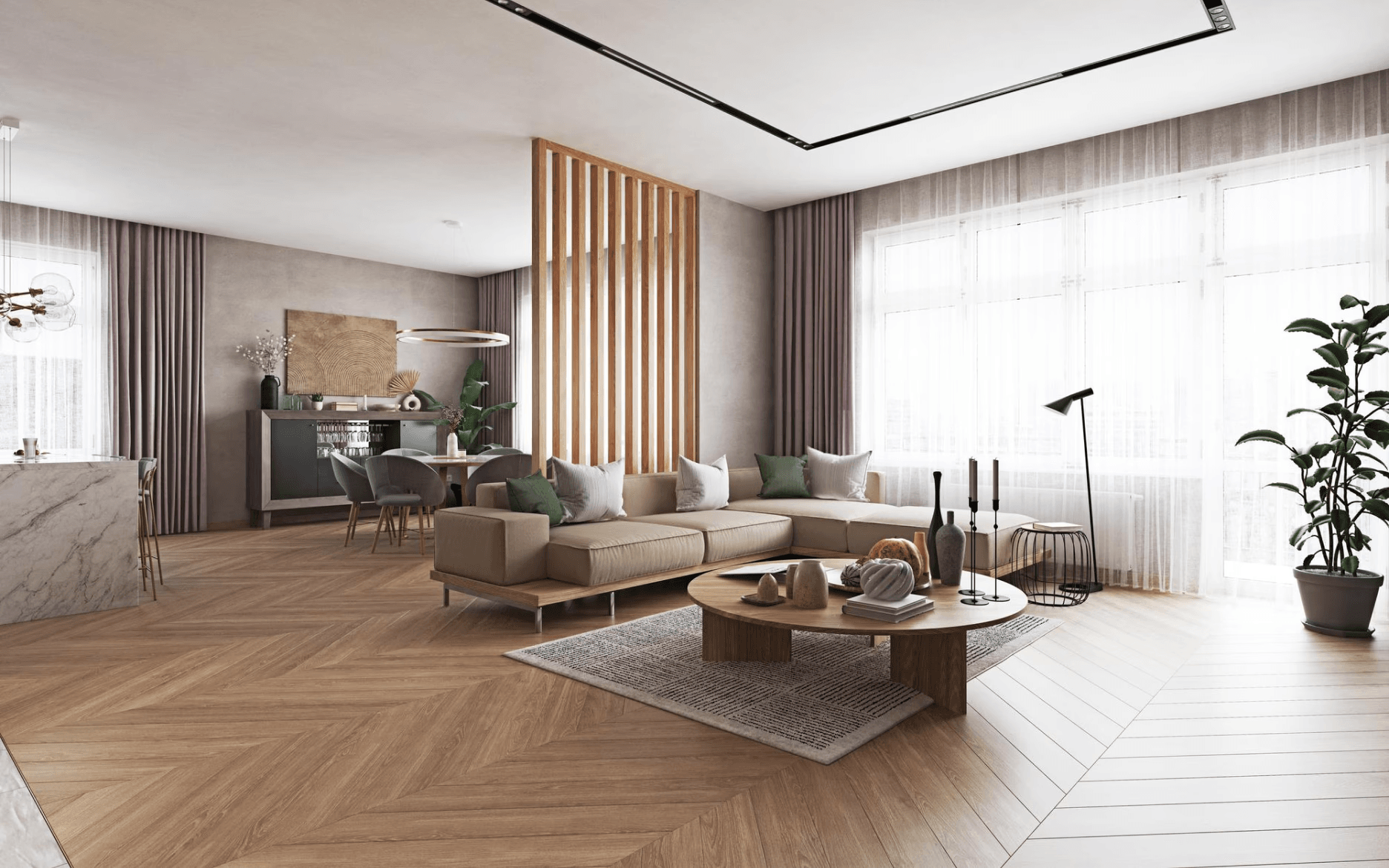
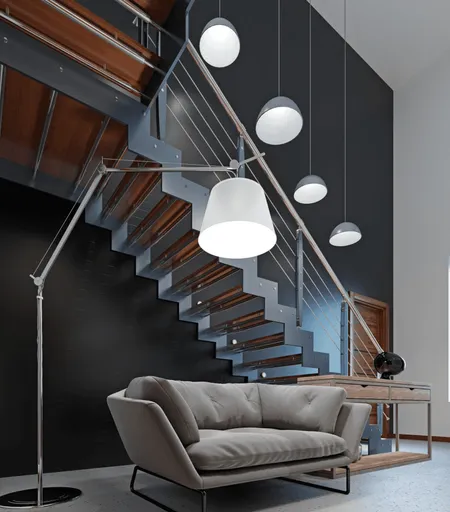
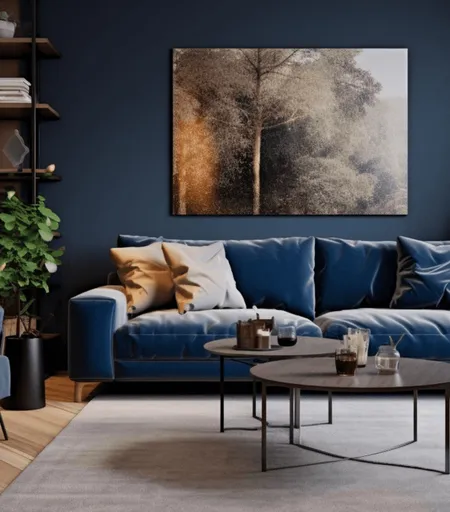
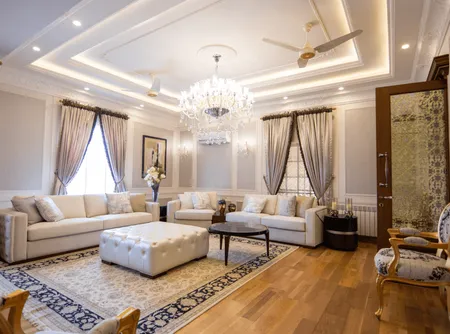
The idea of a home as a retreat is not about luxury or expense. It is about intention. Rooms that are designed with rest and comfort in mind feel different the moment you walk in. The lighting is softer. The surfaces are tactile. There is somewhere genuinely comfortable to sit, not just somewhere that looks good in a photograph.
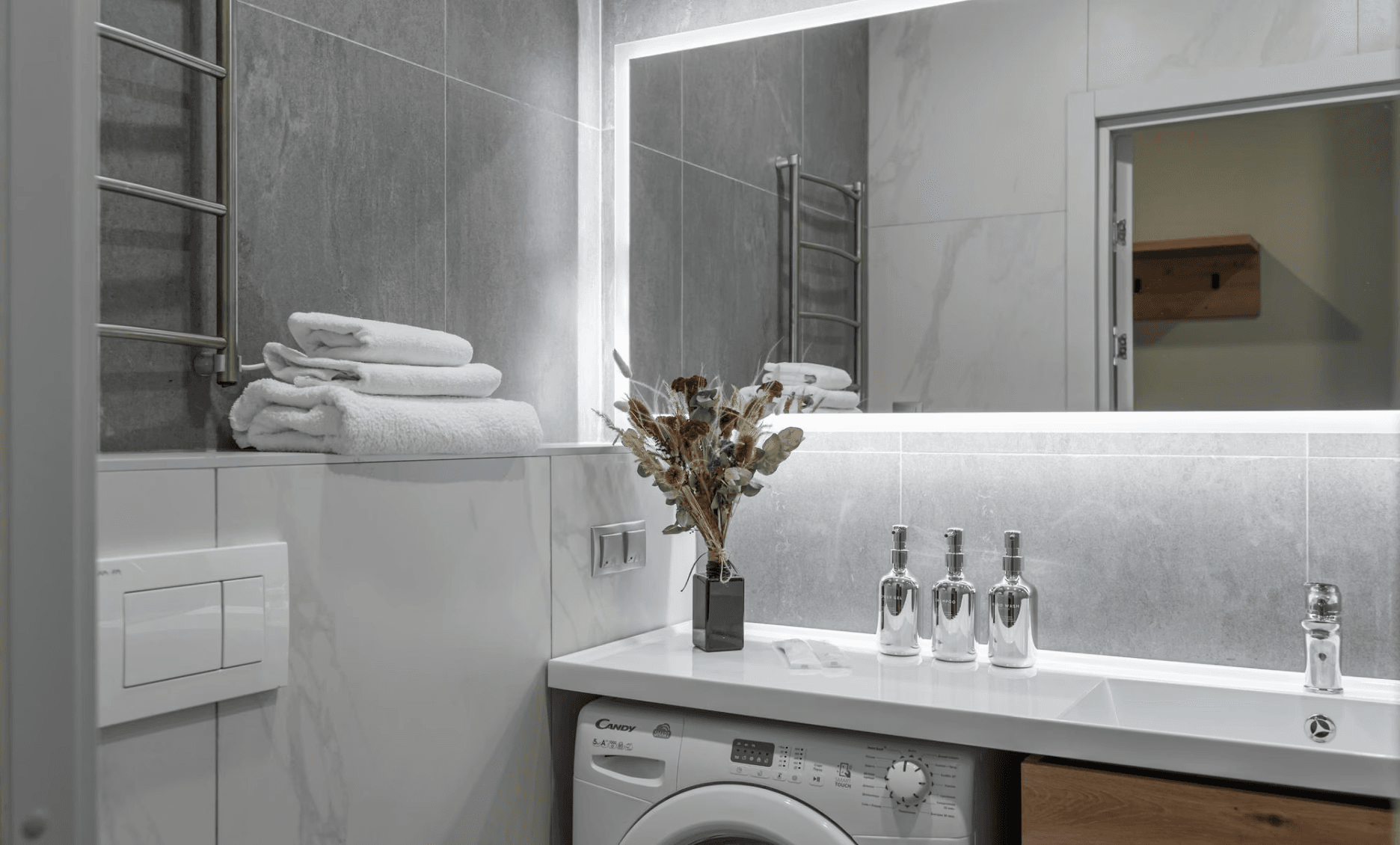
Creating this feeling starts with removing the friction. The clutter that greets you at the front door. The harsh overhead light in the bedroom. The kitchen worktop that never has enough clear space. Address these practical irritations first, and the sense of calm follows.
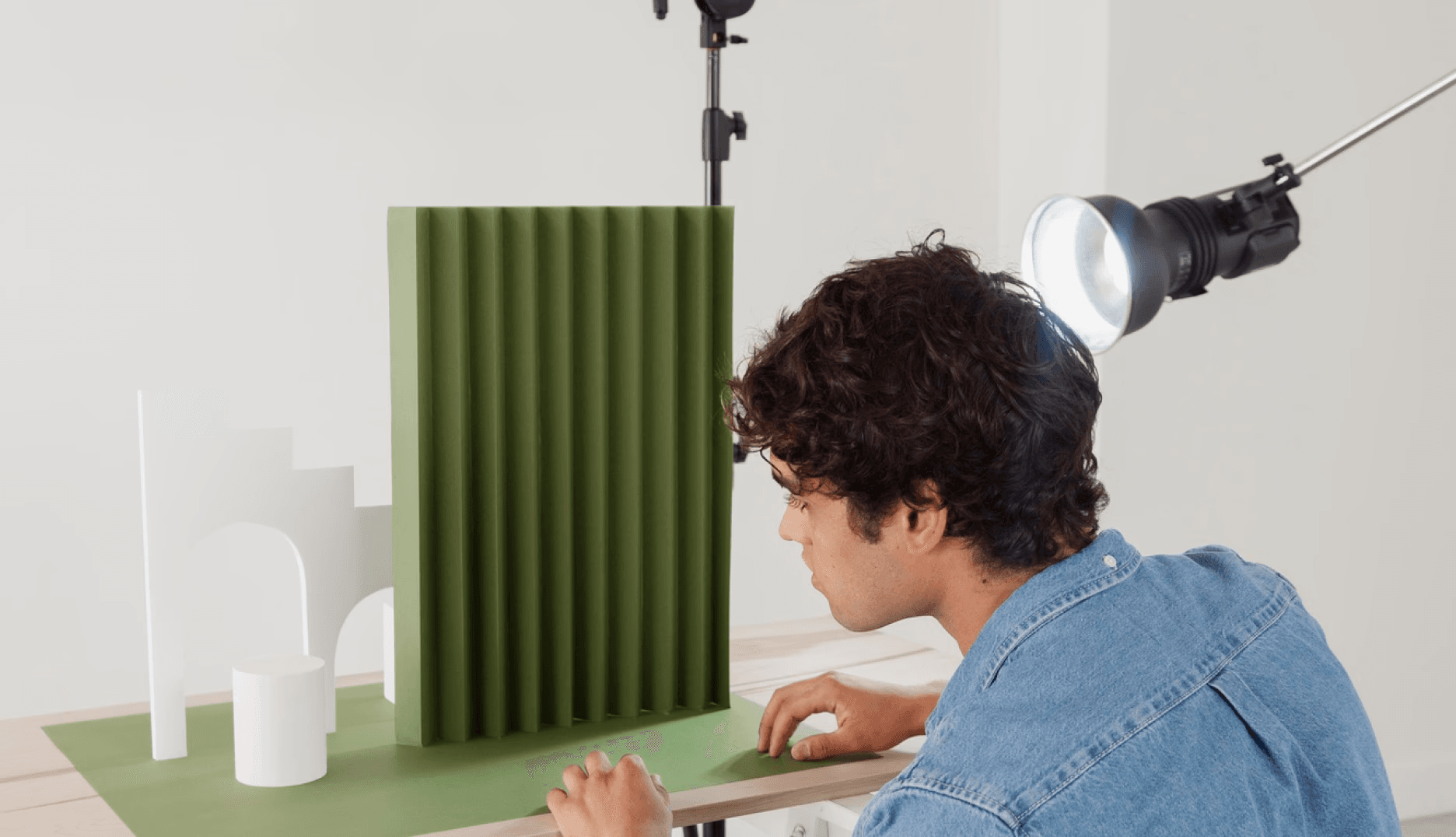
Designing for the Senses
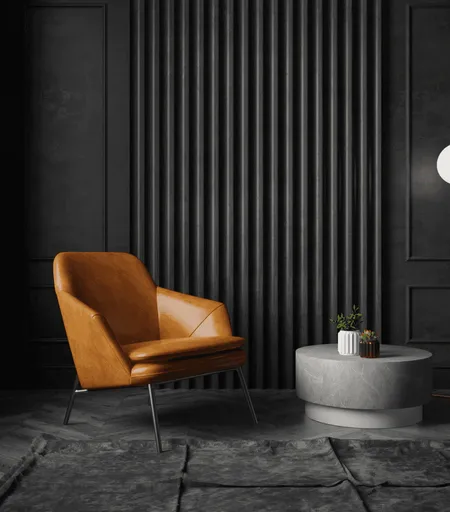
A truly restorative space engages more than just sight. Think about how your home sounds, smells, and feels underfoot. Soft furnishings absorb noise and create a quieter environment. Natural materials — linen, wool, wood, stone — have a warmth that synthetics cannot replicate.
Scent is perhaps the most overlooked element in interior design. A well-chosen candle or diffuser in a hallway can transform the experience of arriving home. It is a small detail, but it registers on a deeply emotional level.
The most restful rooms are the ones that gently invite you to slow down. They do not shout. They do not dazzle. They simply feel right.
Indoor-Outdoor Connection
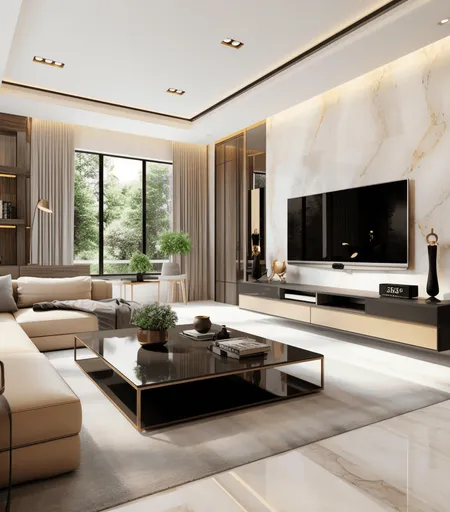
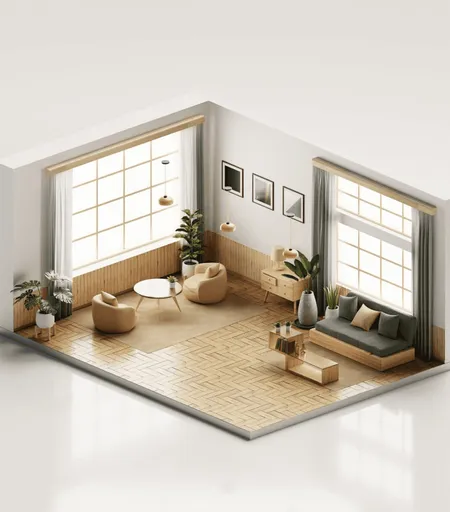
In Oxfordshire, we are fortunate to have beautiful countryside on our doorstep. The best home retreats blur the line between inside and outside. Large windows that frame a garden view. Indoor plants that echo the planting outside. A seating area positioned to catch the evening sun.
This connection to nature is not just aesthetically pleasing — it is good for wellbeing. Studies consistently show that access to green space and natural light improves mood, sleep quality, and overall health. Good design makes the most of it.