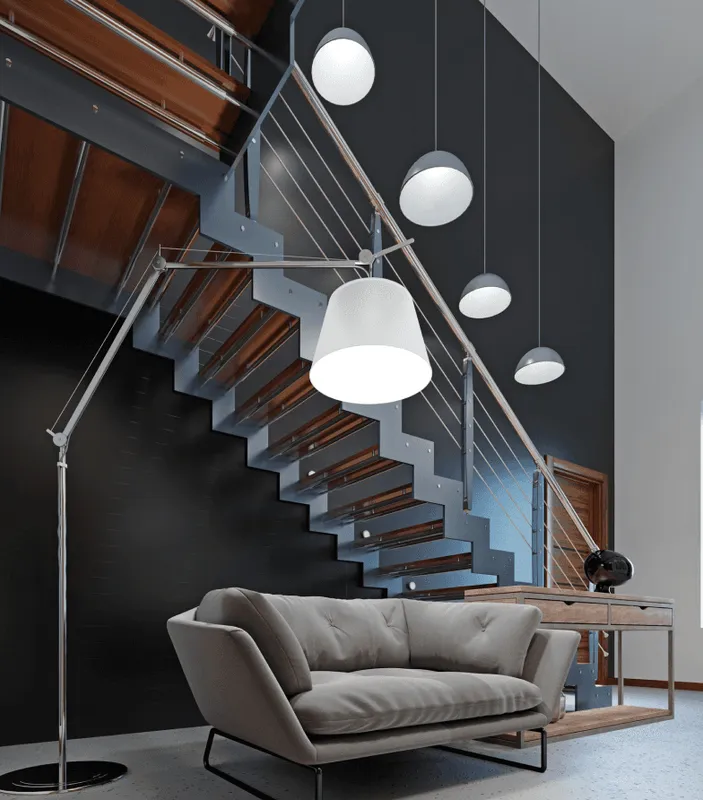
The Power of Scale and Proportion
Most rooms that feel slightly wrong have a scale problem, not a style problem.
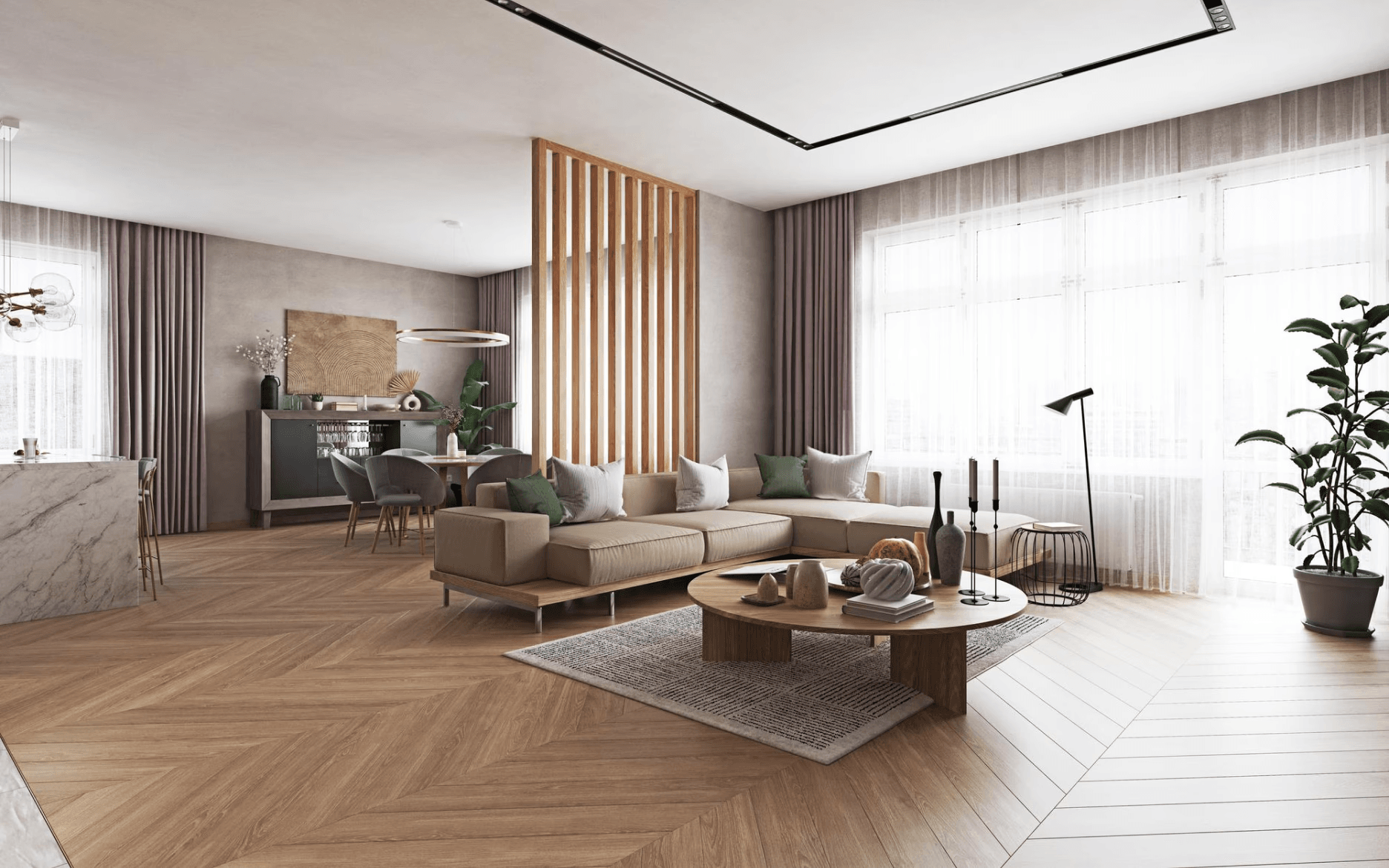
A small side table next to a large sofa. A tiny print on a vast wall. An overhead light that is too small for the room it is trying to illuminate. These proportional mismatches are often the real reason a space feels unfinished, even when every individual piece is perfectly nice.
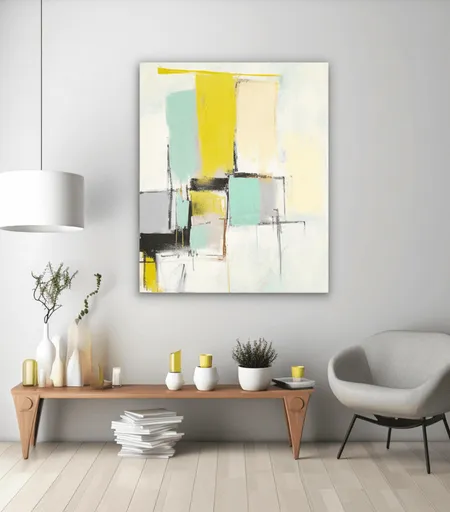
The fix is usually simpler than people expect. One large piece of artwork makes more impact than a cluster of small frames. A statement pendant light anchors a room in a way that a series of spotlights never will. Going bigger, not busier, is one of the most reliable design moves there is.
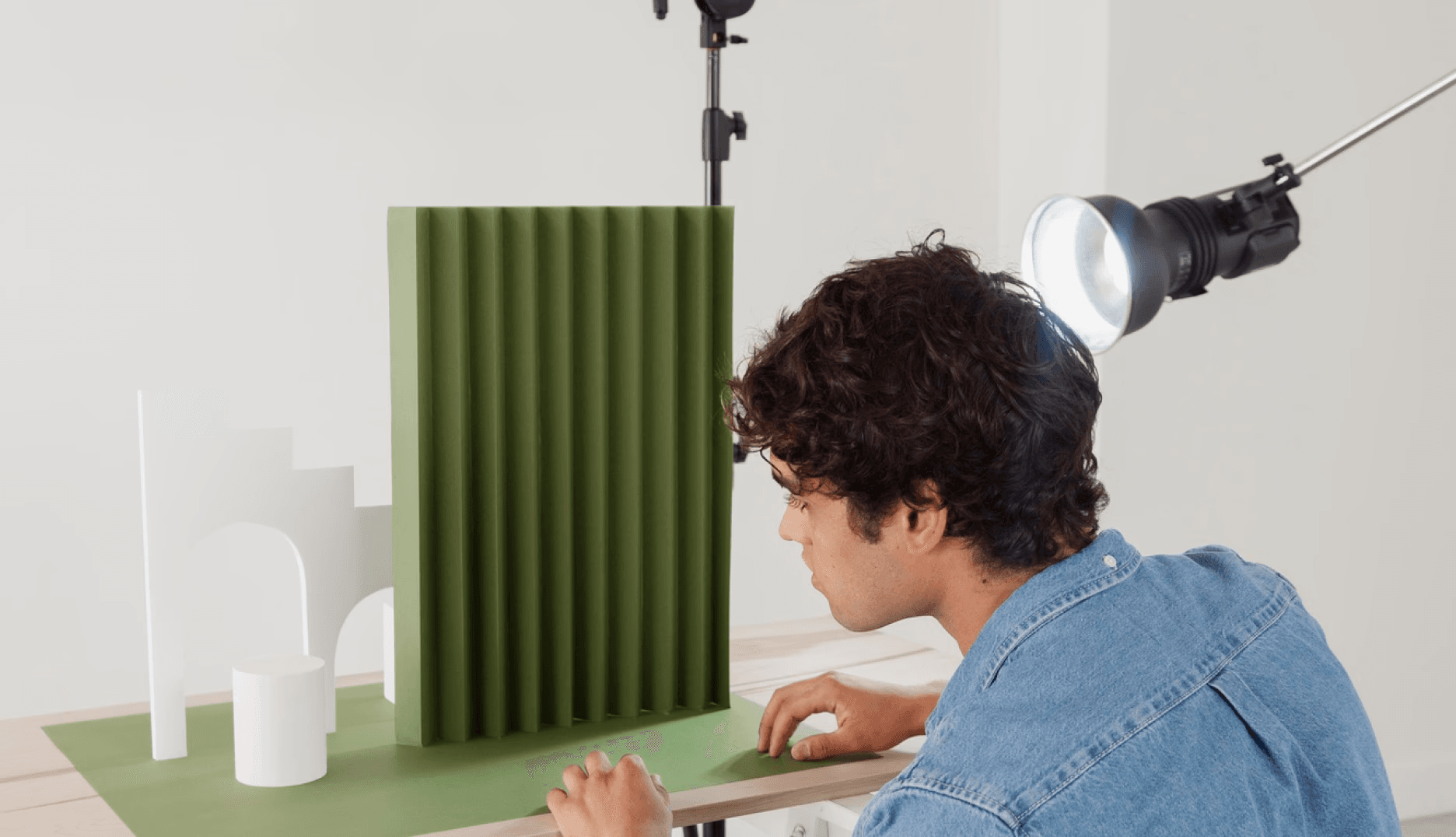
Light Changes Everything
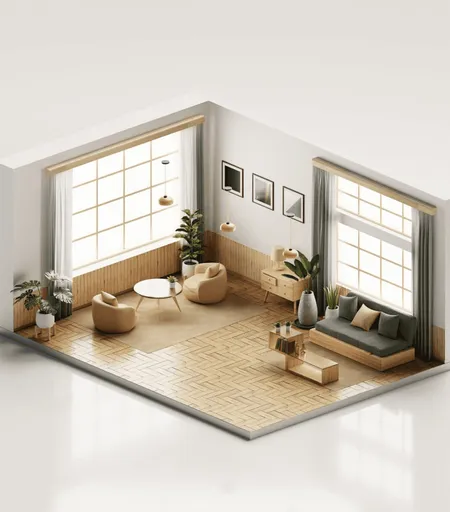
Natural light is the single most important factor in how a room feels. The same paint colour can look warm and inviting in a south-facing kitchen and flat and cold in a north-facing bedroom. Understanding this — and designing around it rather than against it — separates considered design from guesswork.
We always assess the light in a room at different times of day before committing to a colour palette. It takes a little more time, but it means the finished space looks right at eight in the morning and eight in the evening.
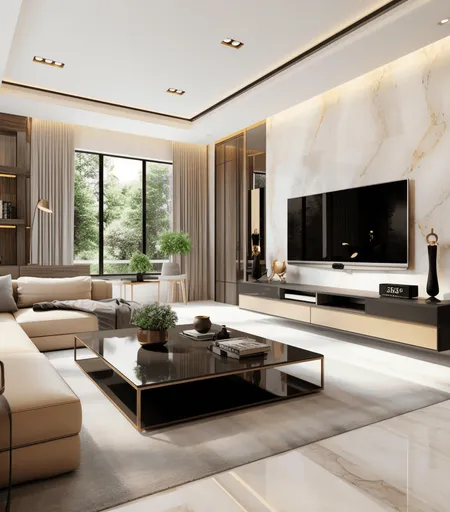
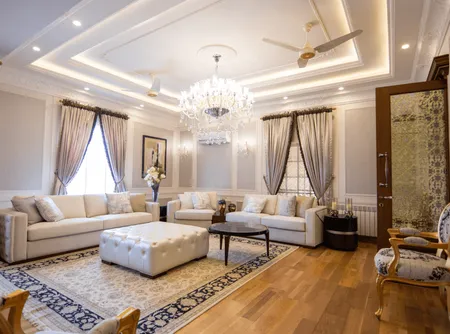
Artificial lighting is where most homes fall short. A single overhead light creates a flat, shadowless space. Layer your lighting — ambient, task, and accent — and the room comes alive.
Texture Over Trend
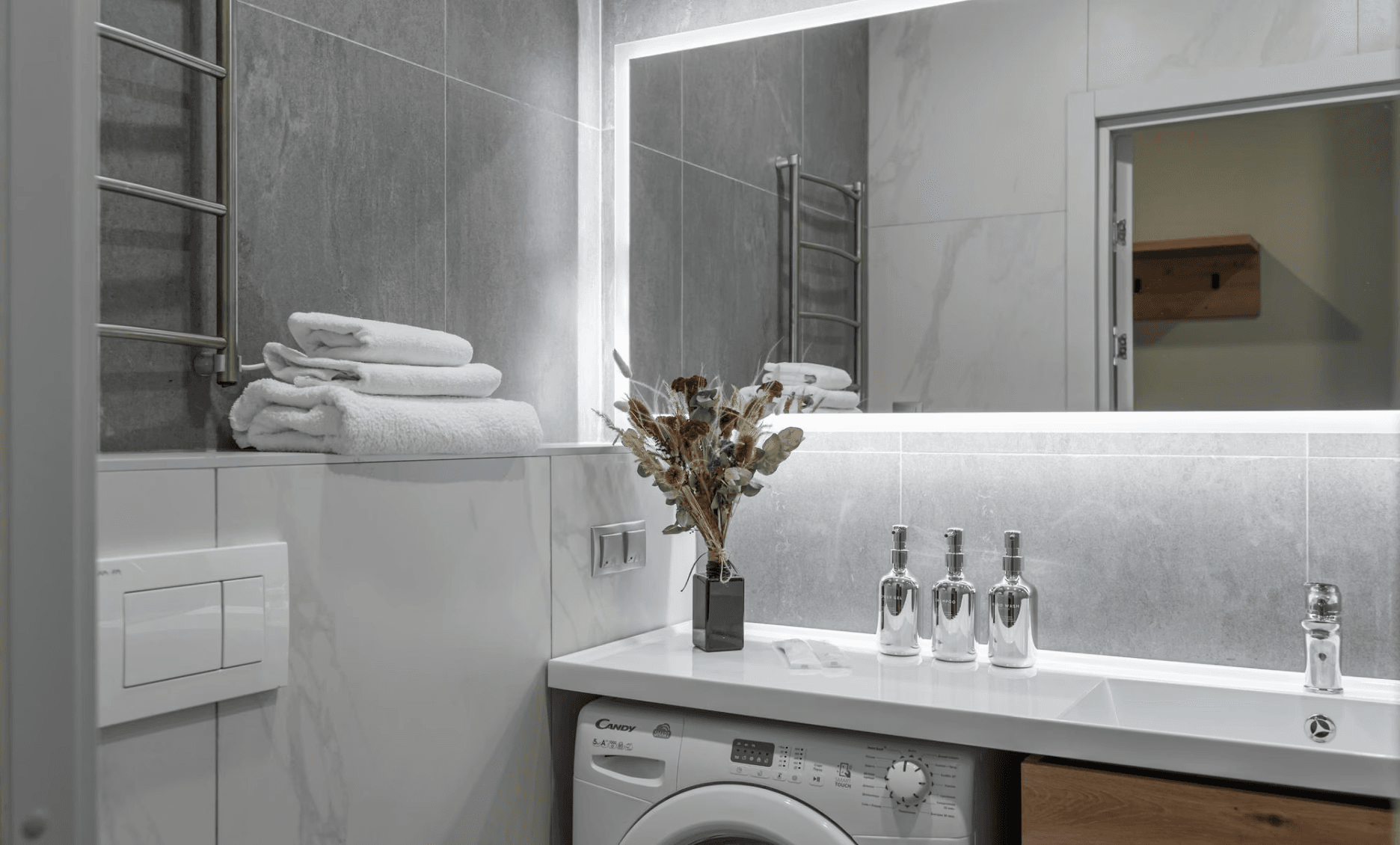
Trends come and go. The grey everything phase. The all-white kitchen moment. The industrial exposed-brick era. What endures is texture — the interplay of rough and smooth, matte and shine, heavy and light.
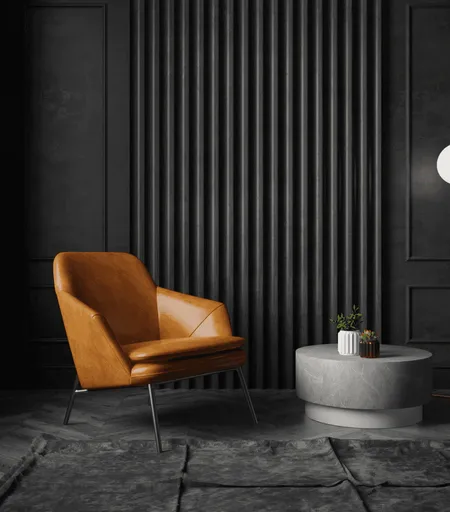
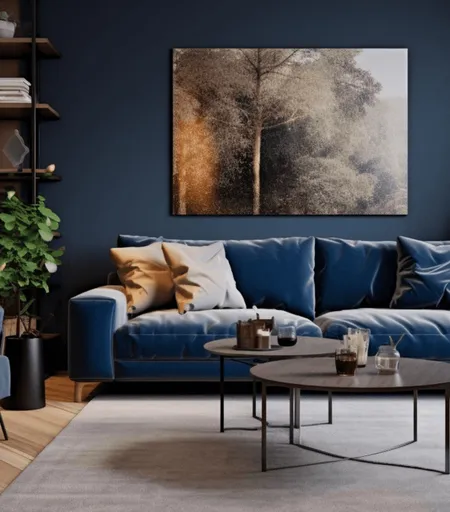
A linen curtain against a stone wall. A velvet cushion on a leather chair. A handwoven rug on polished concrete. These textural contrasts create depth and interest without relying on bold colour or pattern. They also age gracefully, which is more than most trends can claim.